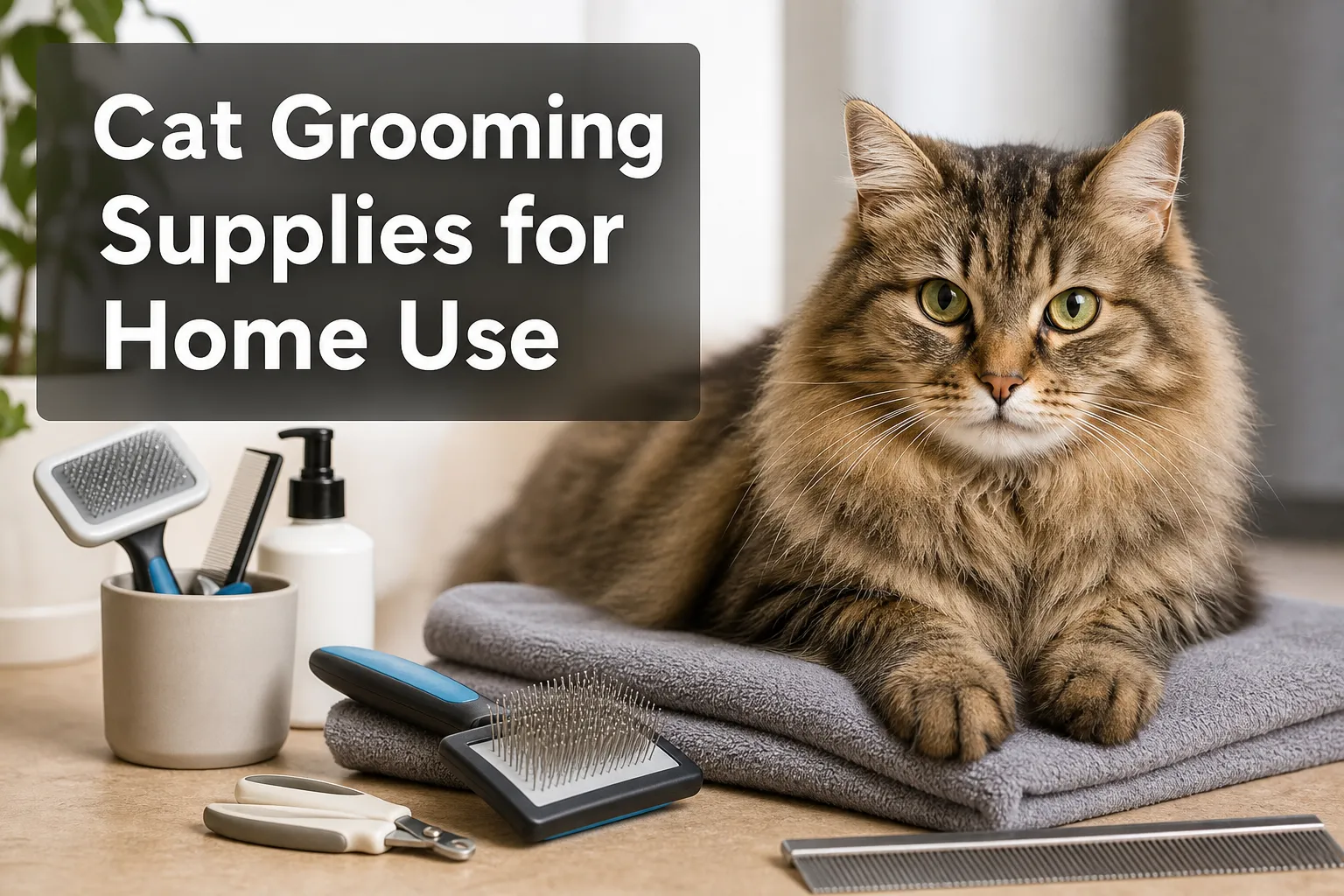
Cat Grooming Supplies for Home Use
If you want to groom your cat at home, you do not need a giant professional setup. Most cat owners do best with a small group of simple, safe tools for brushing, nail trims, light cleanup, and coat care that fits their cat’s age and fur type.
That is especially true for busy households and first-time pet parents. The best home routine is calm, short, and realistic. Instead of buying a huge bundle of cat grooming supplies, start with a few proven basics, learn what your cat tolerates, and build from there.
At Pawzis, we believe everyday care should feel manageable. A curated shop is often more helpful than scrolling through hundreds of lookalike items, especially when you are trying to find practical grooming, comfort, and cleanup products that actually make home care easier.
What most cat owners actually need
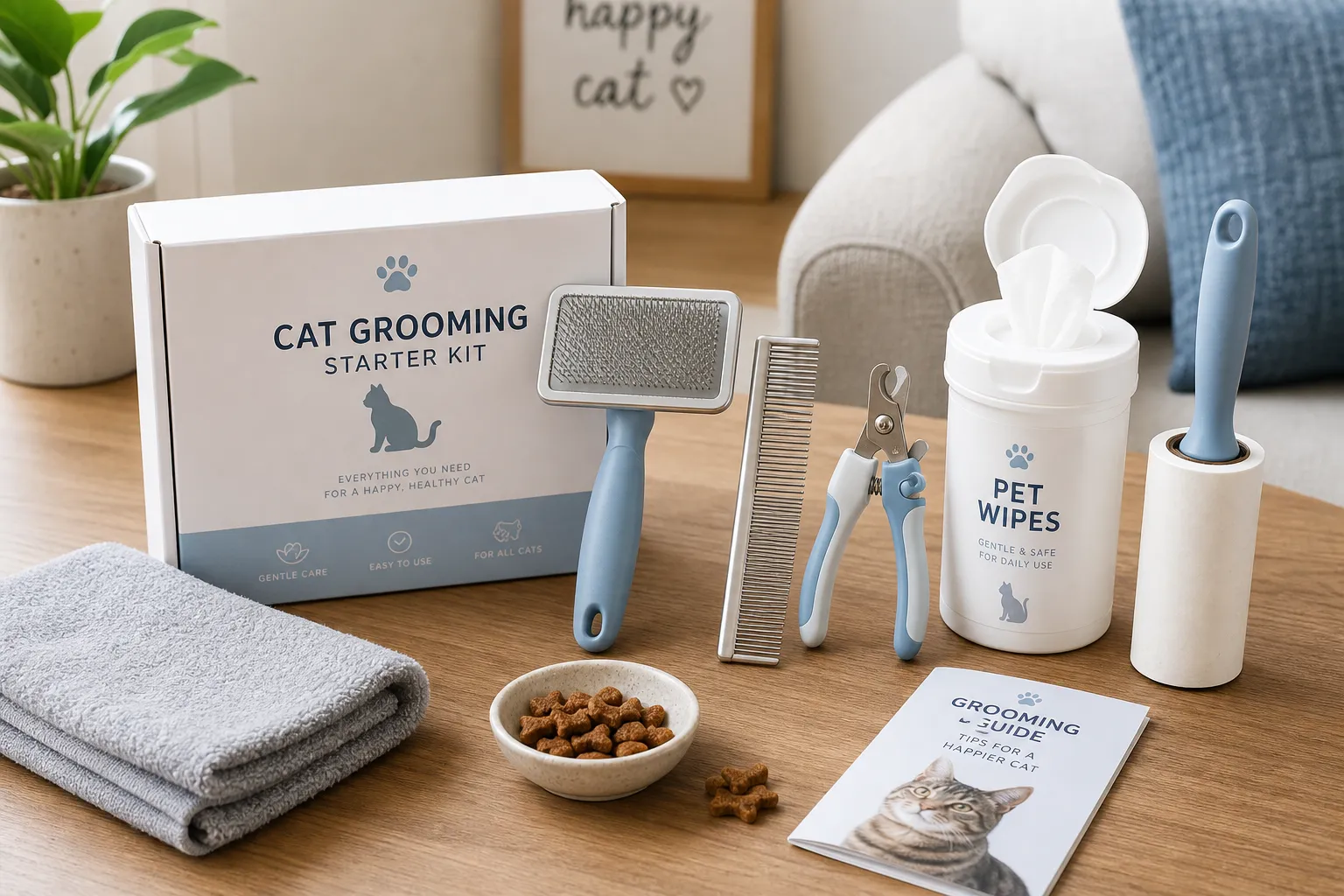
Many guides overcomplicate cat grooming essentials. For home use, your starter setup usually comes down to four categories:
Brushing tools
Nail care
Light cleanup
Coat-specific add-ons
If you cover those areas, you can handle the vast majority of routine grooming needs for a healthy indoor cat.
Competitor patterns and the gaps worth fixing
After reviewing top-ranking cat grooming pages from large retailers and category guides, a few patterns stand out:
They list lots of products, but often blur the line between professional grooming tools and what a normal pet owner needs.
They mention brushing and nail trims, but often give limited guidance on how to choose tools by coat type.
They rarely explain what to buy first, what can wait, and what beginners should skip.
Kitten advice is usually brief, even though kitten grooming supplies should be gentler and more limited than adult cat setups.
Some guides mention restraint in ways that can make grooming feel stressful rather than safe.
This guide fills those gaps with a clear, safety-first approach for:
short-haired cats
long-haired cats
kittens
nervous or reluctant cats
first-time owners who want a small, useful kit
Your minimum home grooming kit
Here is a practical starter set for most cat owners.
Supply | Why it matters | Best for | Buy now or later? |
|---|---|---|---|
Soft slicker brush or grooming brush | Removes loose hair and helps prevent tangles | Most cats | Buy now |
Metal comb | Checks for hidden tangles, especially around legs, chest, and belly | Long-haired cats, medium coats | Buy now for long hair, later for short hair |
Cat nail trimmer | Helps keep nails from getting too sharp or snaggy | All cats | Buy now |
Towel | Gives traction and helps with calm handling | All cats | Buy now |
Treats or lick support | Helps create positive associations | All cats | Buy now |
Pet wipes | Good for spot cleaning paws, face area, or small messes | Most cats | Buy now |
Lint roller or pet hair remover | Cleanup for furniture and clothes after grooming | Pet parents | Buy now |
Detangling add-on | Useful only if coat type needs it | Long-haired cats | Later if needed |
Clippers for shaving mats | Usually not for beginners | Severe matting only | Skip unless advised |
For many homes, this is the sweet spot: enough to cover routine care without turning your closet into a grooming station.
The core cat grooming essentials, explained
1. A brush that matches your cat’s coat
For most homes, the brush is the first and most important of all cat grooming products. The right one helps reduce loose fur, keeps the coat neater, and makes grooming sessions shorter.
For beginners:
choose a small or medium cat brush
avoid anything too sharp or aggressive
look for gentle pins, soft rubber, or a beginner-friendly slicker style
A brush should feel like a routine care tool, not a deep deshedding device used with pressure.
2. A metal comb for checking problem spots
A comb is especially helpful for long-haired cats because mats often start in places a brush can glide over without fully reaching:
armpits
behind the ears
chest
belly
hindquarters
A comb is less about “brushing the whole cat” and more about checking for knots early.
3. A cat-safe nail trimmer
One of the most useful cat grooming accessories is a simple nail trimmer made for small pets. You do not need a heavy-duty tool. You want:
a comfortable grip
a small cutting edge
clean visibility
easy control
If you already do routine pet care at home, a compact trimmer is usually plenty. Pawzis also offers practical trimming options that fit everyday care routines rather than oversized professional kits, including the Effortless Pet Nail Trimmer.
4. Towels and treats
These are underrated. A towel can:
give your cat traction on a slick table
help wrap the body loosely if needed
protect your lap
catch loose hair
Treats help your cat connect grooming with something positive. For some cats, a lickable distraction or enrichment item works even better than hand-fed treats.
5. Wipes for light cleanup
You do not need to bathe most cats often. Wipes are often enough for:
dusty paws
mild litter residue
food around the mouth
small coat messes
Use cat-safe, unscented options when possible, and avoid over-wiping sensitive skin.
6. A cleanup tool for your home
Home grooming is easier when cleanup is easy too. Fur on clothes, cat trees, and sofas can make grooming feel like a bigger chore than it is. A reusable remover can help keep the routine manageable, like Pawzis’ reusable pet hair remover roller.
What short-haired cats need
Short-haired cats usually need the simplest setup. Their biggest home grooming needs are loose hair control, nail trims, and occasional spot cleaning.
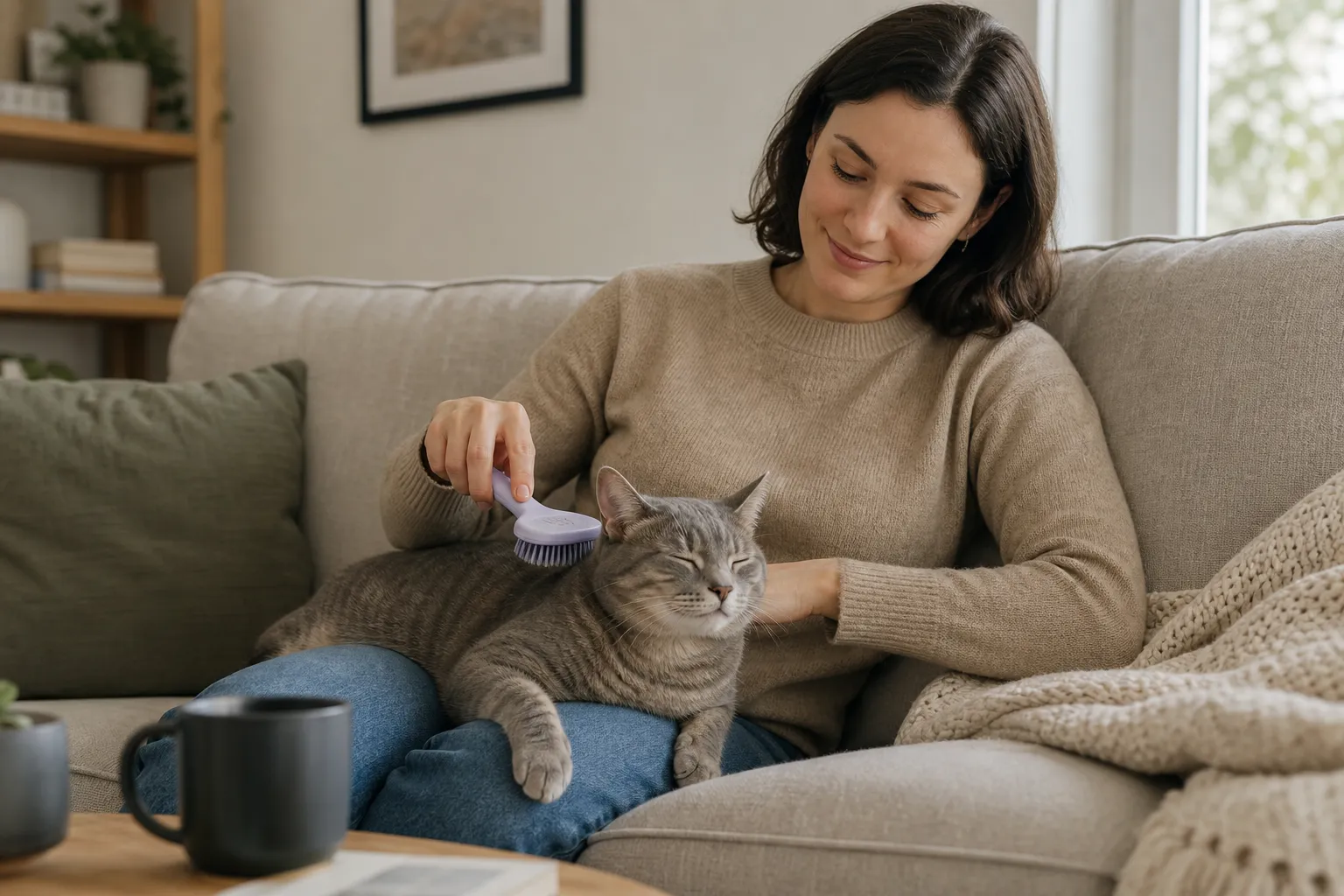
Best starter kit for short-haired cats
soft brush or gentle slicker
nail trimmer
towel
wipes
cleanup roller
How often to groom
Most short-haired cats do well with:
brushing 1 to 2 times per week
nail trimming every 2 to 4 weeks
spot cleaning only as needed
Common mistake with short-haired cats
Many owners use tools that are too harsh because they assume short fur is easier to groom aggressively. In reality, short-haired cats can be very sensitive to over-brushing.
What long-haired cats need
Long-haired cats need a little more structure, but still not a professional kit. The focus is on preventing mats early, not wrestling with them once they are advanced.
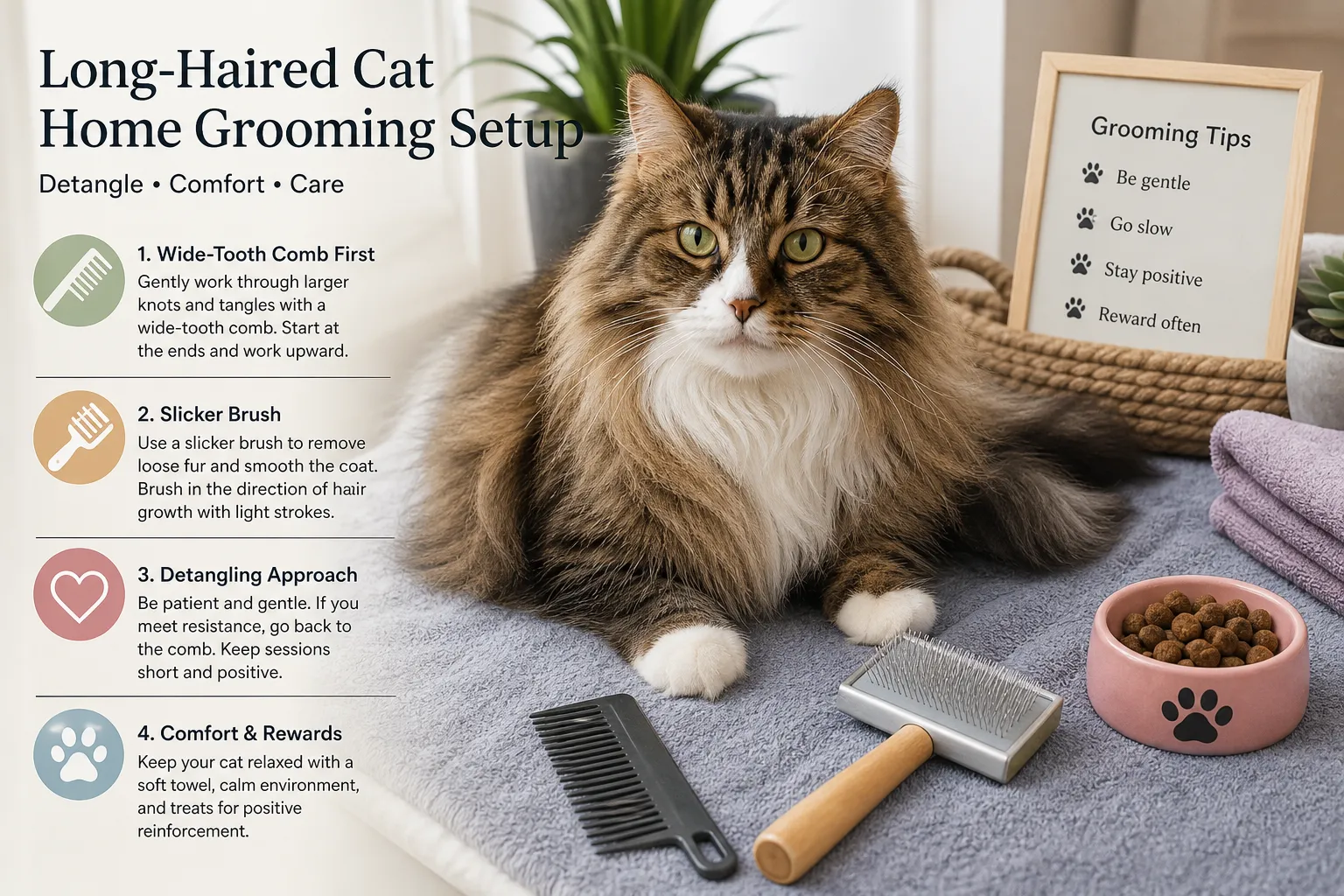
Best starter kit for long-haired cats
gentle slicker brush
metal comb
nail trimmer
towel
wipes
optional detangling support for minor knots
Where mats usually start
Check these areas every time:
behind the ears
under the front legs
belly
inner back legs
around the tail base
How often to groom
Most long-haired cats do best with:
quick comb checks several times a week
fuller brushing sessions 2 to 4 times per week
nail trimming every 2 to 4 weeks
Beginner rule for mats
If a knot feels tight to the skin, do not pull, pick, or cut at it with household scissors. That is how skin injuries happen. Mild tangles can sometimes be worked out gently. Dense mats often need a veterinarian or professional groomer.
What kittens need
Kittens do not need a full kit either. The goal is to build comfort, not perform perfect grooming.

Ideal kitten grooming supplies
The best kitten grooming tools are:
a very soft brush
a small cat nail trimmer
a towel
a few treats
optional wipes for small messes
What to prioritize with kittens
Teach them to accept:
being touched on paws
being touched around ears and tail
short brushing sessions
brief nail handling
If you start early and keep it gentle, grooming later is usually much easier.
Keep kitten sessions very short
Think in minutes, not marathon sessions:
30 seconds to 2 minutes is often enough at first
stop while your kitten is still calm
repeat often instead of doing more at once
If you are also building a broader at-home routine, Pawzis has practical beginner resources on home pet grooming tips that pair well with first grooming sessions.
A simple coat-based buying guide
If you are unsure what to buy first, use this quick guide.
Cat type | Must-have supplies | Nice-to-have supplies | Usually unnecessary for beginners |
|---|---|---|---|
Short-haired adult cat | Brush, nail trimmer, towel, wipes | Hair remover roller | Clippers, heavy deshedding tools |
Long-haired adult cat | Brush, metal comb, nail trimmer, towel | Minor detangling support, wipes | Shaving tools, mat-cutting scissors |
Kitten | Soft brush, small trimmer, towel, treats | Wipes | Full grooming kits, strong deshedding tools |
How to groom safely at home
The safest cat grooming routine is calm, brief, and predictable.
Step 1: Pick the right time
Try grooming when your cat is:
sleepy
already relaxed
not hungry
not in play mode
Do not start right after a stressful event.
Step 2: Set up one spot
Use:
a towel on a stable surface
good light
your tools within reach
treats nearby
Consistency helps. Cats often respond better when grooming happens in the same place each time.
Step 3: Start with the least intrusive task
A good order is:
a few strokes with the brush
quick comb check if needed
one or two nails
reward and stop
You do not have to finish everything in one sitting.
Step 4: Watch body language
Stop if your cat shows escalating stress:
tail thumping
skin twitching
growling
ears flattening
repeated attempts to leave
swatting
Home grooming should build trust, not override warnings.
Two useful expert-backed reminders
“Cats benefit from regular brushing to remove loose hair and help prevent mats, especially long-haired cats.” – ASPCA
“If mats are severe or close to the skin, removal may require professional help to avoid injury.” – Cornell Feline Health Center
These points matter because many owners wait too long on mat prevention and then try to fix the problem with unsafe tools at home.
What you can skip as a beginner
A lot of cat grooming accessories are optional. You usually do not need:
large clipper kits
shaving blades
heavy-duty dematting cutters
multiple specialty brushes
scented sprays
professional drying equipment
Simple routines work best. That is one advantage of shopping with a curated brand like Pawzis rather than a giant catalog: it is easier to focus on everyday tools that fit real home care routines.
When to bathe a cat, and when not to
Most cats rarely need full baths. Home bathing may make sense if your cat gets:
into something sticky
litter or stool in the coat
a substance your vet says should be washed off
skin or coat issues with vet guidance
Otherwise, brushing and spot cleaning are often enough.
If bathing is needed, keep it simple:
use lukewarm water
use a cat-safe cleanser only
dry gently with towels
avoid loud dryers unless your cat is already used to them
Signs your cat may need help beyond home grooming
Call your veterinarian if you notice:
skin redness
bald patches
strong odor
fleas or flea dirt
painful matting
discharge around eyes or ears
sudden resistance to touch
overgrooming or excessive shedding
Sometimes what looks like a grooming issue is really a skin, pain, or medical issue.
Home grooming for nervous cats
Some cats are not aggressive; they are simply overwhelmed. For them, your job is to reduce intensity.
Try this approach
groom after a meal or nap
use one tool only
do one body area at a time
stop early
repeat tomorrow
For nervous cats, success may mean:
10 brush strokes today
1 nail tomorrow
a comb check later in the week
That still counts as a good routine.
The best order to build your kit over time
If you want to avoid overspending, buy in this order:
brush
nail trimmer
towel and treats
wipes
comb if your cat has longer fur
cleanup roller
any coat-specific extras only if a real need appears
That gives you a useful set of cat grooming supplies without wasting money on tools that sit in a drawer.
Why a curated store helps more than a giant catalog
When you are shopping for cat grooming products, more options are not always better. Too many choices can make it harder to tell:
what is beginner-friendly
what is coat-specific
what is truly necessary
what is meant for professional use
Pawzis is built around practical everyday pet care, with products organized around real routines like grooming, cleanup, comfort, feeding, walking, and play. That means less guesswork for U.S. pet owners who want useful tools, clear guidance, free standard shipping, and 30-day returns without sorting through endless generic listings.
You can browse Pawzis’ focused cat grooming collection when you are ready to build a simple at-home setup.
Final thoughts
The best home grooming kit for a cat is usually a small, calm, coat-appropriate set of basics. For most cats, that means a brush, a nail trimmer, a towel, treats, and maybe a comb or wipes depending on coat type.
Start small. Keep sessions short. Focus on comfort and consistency instead of perfection. If you want an easier way to shop for thoughtful home-care tools without the overwhelm of a huge marketplace, Pawzis makes it simple with a curated selection, practical guidance, free standard U.S. shipping, and support from real people during business hours.
FAQ
What is the best kit for grooming a cat at home?
The best home kit is usually a small basic set: a gentle brush, a cat nail trimmer, a towel, and treats. Long-haired cats also benefit from a metal comb, while kittens need softer, simpler tools.
What are common cat grooming mistakes?
Common mistakes include over-brushing, trying to do too much in one session, using tools that are too harsh, and pulling at mats. Another big mistake is waiting too long to check long-haired coats, which lets small tangles turn into painful mats.
How do I immobilize my cat for grooming?
It is better to think in terms of gentle support, not immobilization. Use a towel for traction or a light wrap if needed, keep sessions short, and stop if your cat becomes highly stressed or defensive.
Can I groom my cat myself?
Yes, most owners can handle basic home grooming like brushing, nail trims, and light cleanup. If your cat has severe mats, skin problems, or pain, it is safer to involve a veterinarian or experienced groomer.
How do you groom an unwilling cat?
Use a slow, low-stress approach: groom when your cat is relaxed, do one small task at a time, and reward often. For some cats, success means just a few brush strokes or one nail trim before stopping.
Is it okay to shave a cat with matted fur?
Not usually as a beginner home project. If mats are tight or close to the skin, shaving can easily cause cuts, so severe matting is best handled by a veterinarian or professional groomer.