

Grooming is an essential aspect of pet care that goes beyond the mere aesthetic appeal of our furry companions. Regular grooming at home can significantly contribute to a pet’s overall well-being and health. One of the primary benefits of home grooming is the maintenance of hygiene. Regular brushing removes loose fur, dirt, and debris, which can help reduce the risk of skin infections and unpleasant odors. Moreover, frequent grooming sessions allow pet owners to check their animals for any unusual lumps, rashes, or parasites, which could signal potential health issues.
In addition to promoting cleanliness, grooming helps in preventing various health problems. For instance, certain dog breeds are prone to matting, which can lead to painful skin conditions if not addressed. Cats, too, may need regular brushing to prevent hairballs and digestive issues that arise from excessive grooming. By integrating grooming routines into your pet care regimen, you can proactively manage these conditions and minimize trips to the veterinarian.
Furthermore, home grooming serves to strengthen the bond between pets and their owners. The process of grooming offers a unique opportunity for interaction and connection. It allows owners to spend quality time with their pets, reinforcing trust and affection. As pets experience the calming effects of being groomed, they learn to associate the process with positive feelings. This mutual enjoyment can transform grooming into a rewarding experience, fostering a deeper relationship.
Overall, home grooming is not merely a chore but an integral part of responsible pet ownership. The benefits it brings to hygiene, health prevention, and emotional connection cannot be overstated. By making grooming a regular practice, pet owners can ensure their pets remain healthy, comfortable, and happy.
Essential Pet Grooming Tools
When it comes to grooming your pet at home, having the right tools is crucial for achieving effective and safe results. A variety of grooming equipment is available, and understanding each tool’s function can enhance both the grooming process and your pet’s overall appearance.
One of the most essential tools is the brush. Brushes come in various types, tailored to different coat types. For instance, a slicker brush is excellent for detangling in long-haired breeds, while a bristle brush works well for short-haired dogs, helping to distribute natural oils and remove loose fur. It is advisable to brush your pet regularly to reduce shedding and prevent matting.
Combs are another important grooming tool. A metal comb, particularly one with both fine and wide teeth, can help in removing tangles and addressing any matting effectively. Combs are particularly useful for dogs with longer or curly fur. Always work gently to avoid causing discomfort.
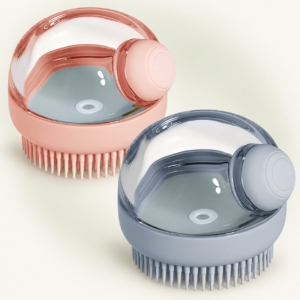

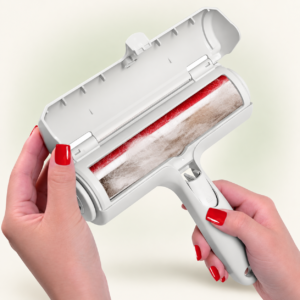
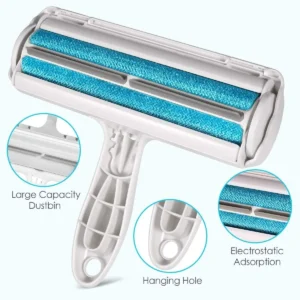
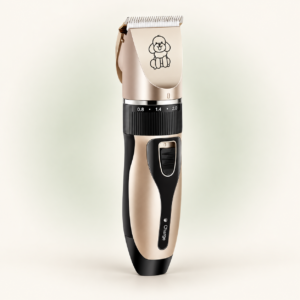
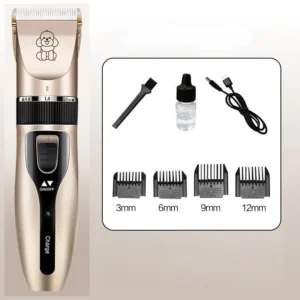
Nail grinders or clippers are essential for maintaining your pet’s nails. Keeping nails trimmed prevents discomfort and health issues. Electric nail grinders provide a smooth finish and reduce the risk of cutting too short, making them a preferred option for many pet owners.
Grooming gloves have gained popularity due to their dual purpose of de-shedding and providing a gentle massage. These gloves allow you to groom your pet while maintaining a pleasant experience, which can help build trust between you and your pet.
Incorporating these essential grooming tools into your routine can significantly enhance your pet’s grooming experience. Remember that each tool must be used according to the specific needs of your pet’s breed and coat type. Choosing high-quality tools and familiarizing yourself with their utilization can lead to effective grooming at home.
Understanding Your Pet’s Coat Type
Grooming is a crucial aspect of pet care, and understanding your pet’s coat type is essential for effective maintenance. Various coat types exist among pets, including short, long, curly, and wiry, each requiring different grooming techniques and tools. Identifying your pet’s coat type is the first step in establishing a grooming routine that promotes health and comfort.
Short-coated pets, such as Beagles and Boxers, generally possess hair that lies close to the body. These coats require less frequent grooming, typically once a week, to remove loose hair and dander. A simple rubber grooming mitt or a bristle brush can effectively manage a short coat. However, regular grooming is still vital to minimize shedding and promote skin health.
Long-haired breeds, like the Afghan Hound or the Yorkshire Terrier, have coats that can become easily tangled and matted without proper care. The grooming frequency for these pets should be more frequent, often several times a week. A wide-toothed comb or a slicker brush can help detangle their fur. Additionally, some long-haired pets may benefit from professional grooming services to ensure their coat remains in good condition.
Curly-coated breeds, such as Poodles, require unique grooming strategies to maintain their distinctive curls. Regular brushing, ideally every few days, is necessary to avoid matting. Investing in a specialized grooming tool, such as a comb designed for curly coats, can facilitate this process. Regular trims can also help keep the coat manageable and healthy.
Wiry-coated pets, like the Jack Russell Terrier, typically have coarse hair that is easier to maintain than other types. Their coats benefit from less frequent grooming, requiring stripping techniques to remove dead hair and promote new growth. Specialized grooming tools aid in achieving the desired texture and appearance.
Step-by-Step Guide to Brushing Your Pet
Brushing your pet is an essential part of their grooming routine, contributing to their overall health and appearance. The frequency of brushing greatly depends on the type of coat your pet has. For instance, long-haired breeds may require daily brushing to prevent tangles and mats, while short-haired dogs or cats may only need a weekly brush to remove loose fur and debris. Understanding your pet’s specific needs will help you establish an effective grooming schedule.
When it comes to brushing techniques, start by using a wide-toothed comb or a slicker brush for detangling any knots. Always begin the brushing process from the back and move towards the front, making sure to be gentle around sensitive areas such as the face, ears, and tail. If you encounter a stubborn knot, use your fingers to gently separate the hair or apply a detangling spray specifically formulated for pets. This will make the brushing experience easier and more pleasant for your furry friend.
To ensure the brushing session is positive, always reward your pet with treats or affection afterward. This positive reinforcement can create a more enjoyable experience, leading to less resistance during future grooming. It is also important to establish a calm environment, free from distractions, so your pet can relax and feel secure. Regularly checking for signs of skin irritation or parasites during grooming can help maintain your pet’s health.
Lastly, adherence to safety protocols is essential during brushing. Never rush the process, as this can create anxiety for your pet. Ensure that your pet is comfortable and well-supported during the grooming session. Taking breaks when your pet shows signs of discomfort can help prevent stress and make the overall grooming experience more effective. Following these guidelines will contribute to a smoother grooming routine, promoting a healthy and happy pet.
Nail Care: Clippers and Grinders
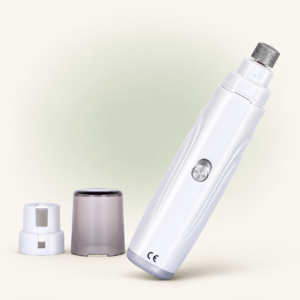
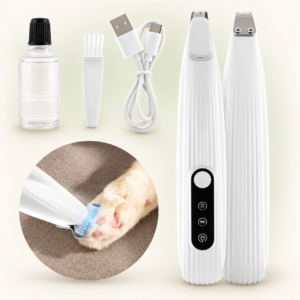
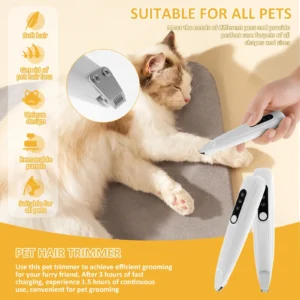
Regular nail care helps keep walking and play more comfortable. If you use a grinder, introduce the sound gradually and work in short sessions so your pet can get used to the tool.
Remove only a small amount at a time and stop if your pet becomes stressed, the nail is painful, or you are unsure where it is safe to trim. For dark nails or pets that strongly resist handling, a professional groomer or veterinary professional can help.

Bathing Your Pet: Tips and Techniques
Use lukewarm water and a shampoo formulated for pets. Brush out loose fur and tangles before the bath when appropriate, then wet the coat gradually and keep water and shampoo away from the eyes and inside the ears.
Rinse thoroughly so residue does not remain on the skin, then towel-dry gently and keep your pet comfortable while the coat dries. Bathing frequency varies by coat, activity level, and individual needs, so avoid bathing more often than necessary.
Ear and Eye Care: Keeping It Clean
Maintaining your pet’s ear and eye hygiene is crucial to ensure their overall health and comfort. Regular ear and eye care can help prevent infections, irritations, and other health issues that might arise from neglecting these sensitive areas. Pets, especially dogs and cats, are prone to earwax build-up, debris accumulation, and eye discharge. Performing routine cleaning can significantly mitigate these risks.
To clean your pet’s ears, first gather the necessary supplies: a vet-recommended ear cleaning solution, cotton balls or pads, and treats to reward your pet afterward. Begin by finding a well-lit area where your pet feels secure. Gently hold your pet’s ear flap back, and apply a few drops of the cleaning solution into the ear canal. Massage the base of the ear for around 20 to 30 seconds to help loosen debris. Afterward, allow your pet to shake its head to dislodge the dirt. Avoid inserting anything into the ear canal, as this could cause injury. Instead, use a cotton ball to wipe away any visible wax or dirt.
When it comes to eye care, inspect your pet’s eyes regularly for discharge, redness, or swelling. Clean any discharge using a soft, damp cloth or cotton pad, making sure to wipe from the inner to the outer corner of the eye. If you notice excessive tearing, discoloration, or your pet frequently rubbing their eyes, it may indicate an underlying issue requiring veterinary attention. For more persistent symptoms, consult your veterinarian for an appropriate diagnosis and treatment.
In terms of products, look for ear cleaning solutions specifically formulated for pets, as human products can be harmful. Additionally, hypoallergenic wipes can be useful for cleaning the eye area, ensuring your pet’s eyes remain free from irritation. Regular monitoring and cleaning will help you maintain your pet’s ear and eye health, contributing to their overall well-being.
Final Touches: Finishing Up the Grooming Session
Once the grooming process has been completed, it is essential to perform a thorough inspection of your pet to ensure that no fur or debris has been missed. As you examine your pet’s coat, pay close attention to areas such as behind the ears, under the belly, and in between the toes, where matting and tangles often occur. These areas can easily be overlooked during initial grooming, so taking the time to inspect them can result in a more polished and tidy appearance.
In addition to checking for any missed spots, incorporating a reward system is a crucial step after a grooming session. Positive reinforcement can help your pet associate grooming with pleasant experiences, ultimately making the process easier in the future. Rewards can include treats, praise, or even playtime, reinforcing good behavior during the grooming session. This method not only encourages cooperation but helps reduce any potential anxiety related to grooming.
Post-grooming care is equally important. This includes a gentle brushing session to remove any remaining loose fur and a check for skin irritations or unusual lumps that may have gone unnoticed. Ensuring your pet’s skin and coat remain healthy is paramount, and this routine can lead to earlier detection of any concerns that may require veterinary attention.
For pets that show signs of anxiety during or after grooming, consider creating a calming environment. Soft music, treats, or the presence of a favorite toy can significantly reduce stress. The goal is to create a positive experience surrounding grooming, allowing your pet to not only look their best but also feel their best. By following these final touches, you will set the stage for successful grooming sessions in the future, benefiting both you and your pet.
Conclusion: Make Grooming a Routine
A simple routine built around brushing, nail care, bathing, and regular checks is easier to maintain than occasional long grooming sessions. Keep sessions calm, use tools suited to your pet’s coat and size, and reward cooperative behavior.
If you notice persistent skin irritation, pain, swelling, unusual discharge, or a sudden change in your pet’s coat or behavior, stop the grooming session and seek professional veterinary advice.






Pingback: Best Dog Grooming Tools for Home Use | Pawzis