Best Dog Grooming Tools for Home Use
If you want to keep your dog clean, comfortable, and looking tidy without building a professional salon at home, you do not need a giant kit full of intimidating gadgets. Most pet parents only need a small set of reliable dog grooming essentials chosen around their dog’s coat type, shedding level, and tolerance for brushing, bathing, and nail care.
That is where many at-home grooming guides fall short. They often mix pro-only tools with everyday basics, or they recommend everything at once. In real life, most U.S. dog owners want something simpler: the right brush, the right comb, maybe a clipper for touch-ups, a safe way to handle nails, and a few tools that make bath day less stressful.
At Pawzis, we believe everyday pet care should feel manageable. A curated selection of practical tools is more useful than browsing huge generic catalogs, especially when you are trying to solve one specific problem like shedding, knots, long nails, or slippery bath-time chaos. This guide walks you through the best dog grooming tools for home use, how to pick them, and when you actually need each one.
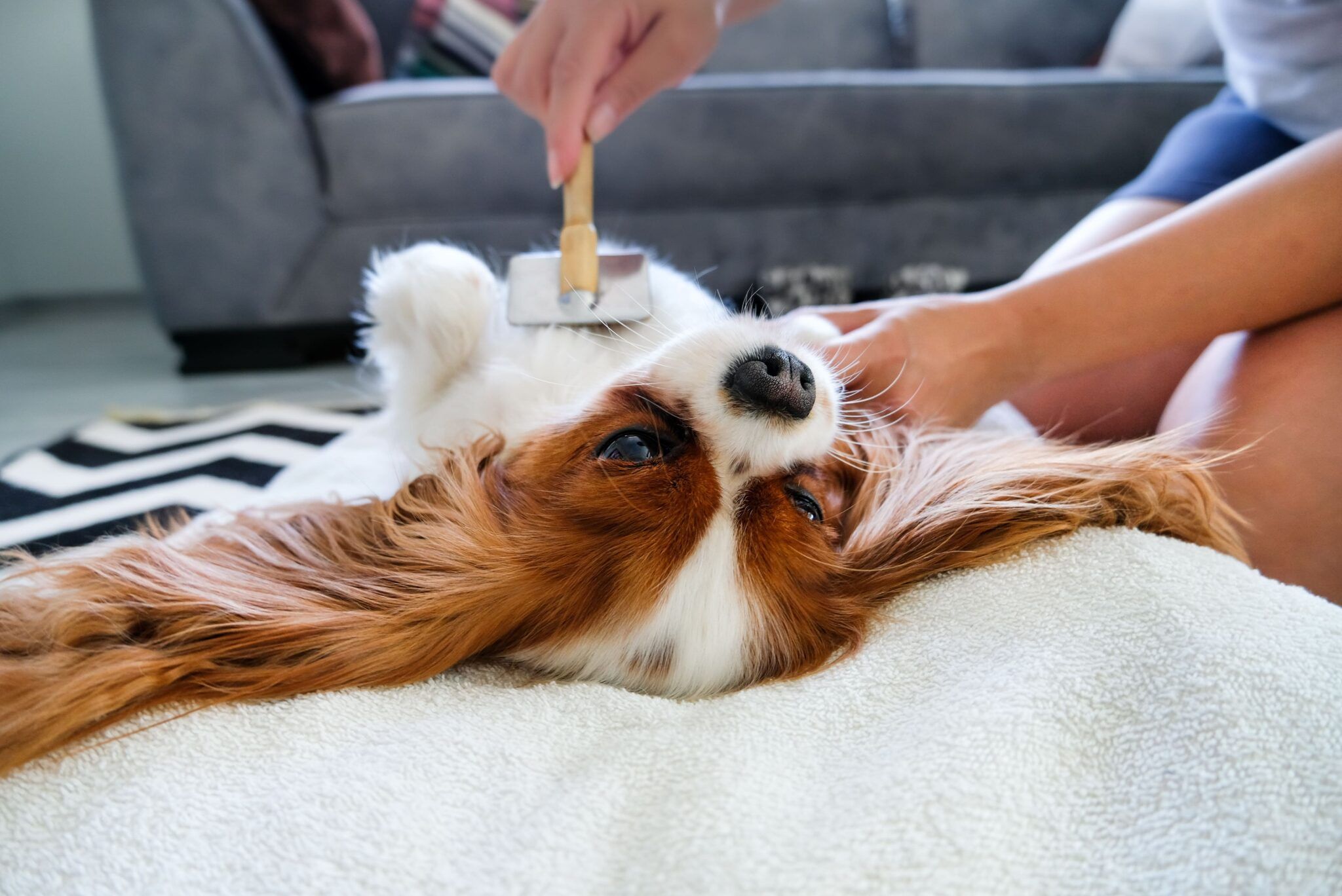
What the Best At-Home Grooming Kits Have in Common
After reviewing competitor content, a few patterns stand out. Most top-ranking articles agree that home grooming works best when owners focus on:
brushing regularly instead of waiting for tangles
choosing tools based on coat type
keeping nail care simple and safe
treating clippers as optional for many households
using calm, low-stress routines instead of forcing long sessions
The biggest content gaps are just as important:
many articles do not clearly explain which tools to buy first
they often blur the line between must-have and nice-to-have
they mention coat types without translating that into easy buying advice
they talk about clippers too broadly, even though many owners only need paw, face, or sanitary trimming
they overlook tools that make the process easier, like bath brushes and lick mats
This guide fills those gaps so you can build a useful set of pet grooming tools for dogs without overspending.
The 6 Essential Tool Types to Own First
If you are starting from scratch, these are the essential dog grooming tools worth considering first.
Tool type | Best for | Do most owners need it? | Buy first or later? |
|---|---|---|---|
Brush | Removing loose fur, preventing mats, daily upkeep | Yes | First |
Comb | Checking for tangles, finishing, face/feathering areas | Yes | First |
Nail grinder or trimmer | Managing nail length | Yes | First |
Bath brush | Better shampoo distribution, loosening coat debris | Often | Early |
Clippers | Paw pads, sanitary trims, light touch-ups | Sometimes | Later |
Lick mat or bath distraction aid | Reducing stress during baths and nail care | Very helpful | Early |
Start With the Brush: The Most Important Tool for Most Dogs
A brush is usually the number one item in any set of grooming tools for dogs. If you only buy one tool today, make it the right brush for your dog’s coat.
When a brush is enough
A brush may be all you need for:
short-coated dogs with moderate shedding
dogs that do not need haircuts
weekly maintenance between baths
keeping loose hair off furniture and clothing
When a brush is not enough
A brush alone may not solve:
hidden knots behind ears or under legs
thick undercoats during seasonal shedding
long coats that snag easily
matted areas close to the skin
Brush types that make sense for home use
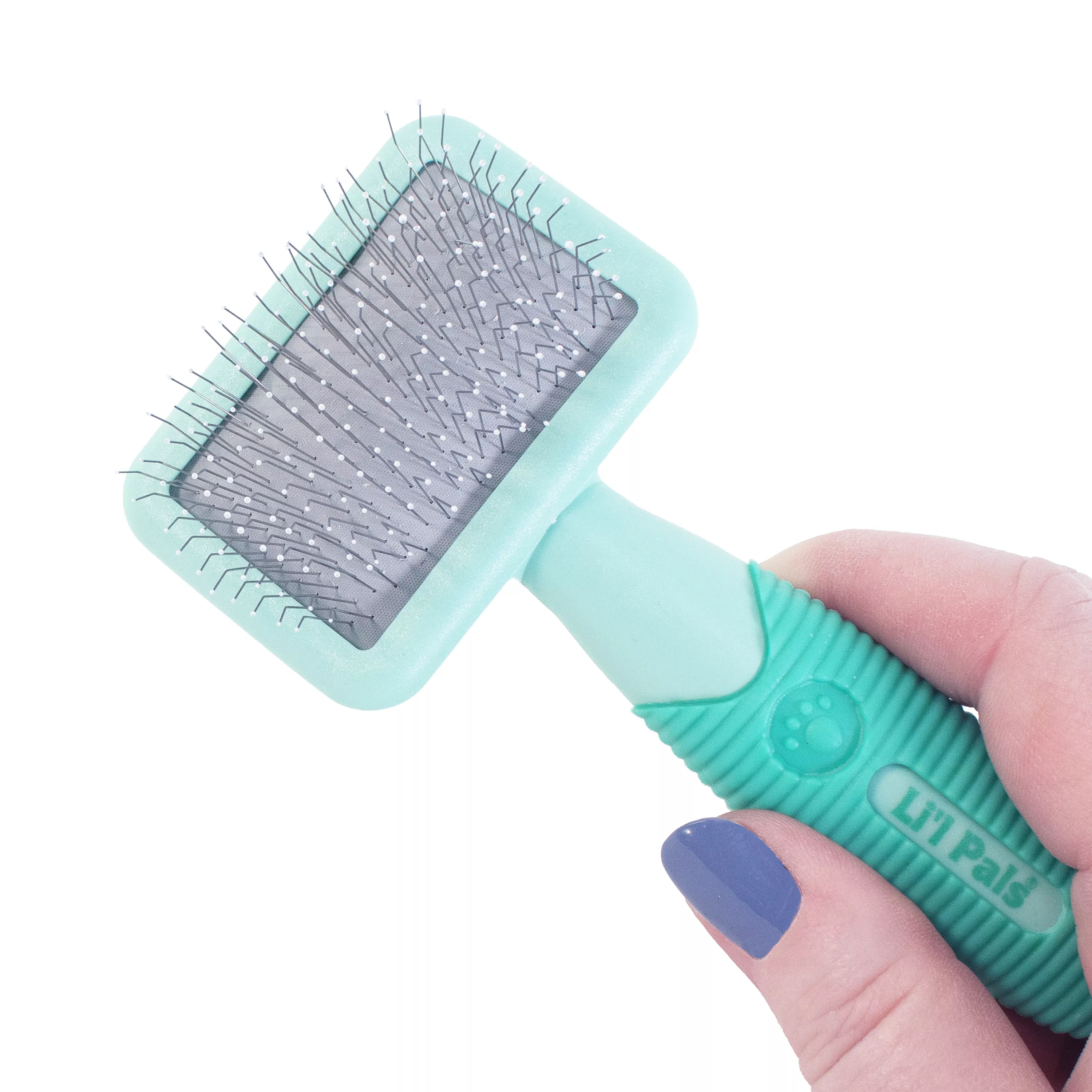
Slicker brush
Best for medium, long, curly, and tangle-prone coats. Slicker brushes help remove loose hair and work through light tangles before they become mats.
Bristle or soft grooming brush
Best for short, smooth coats. These are good for surface dirt, light shedding, and distributing natural oils.
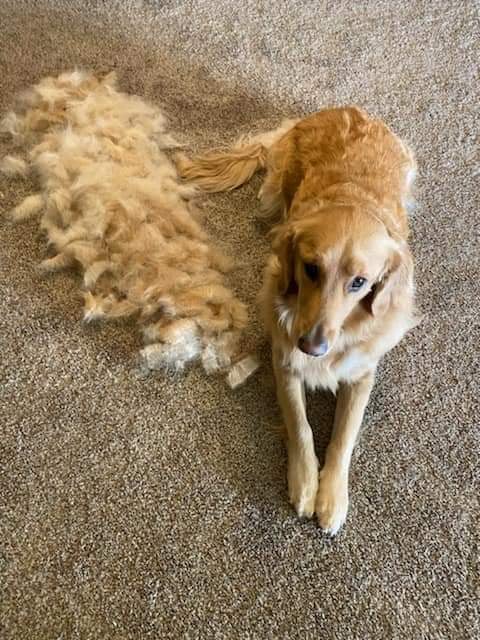
Undercoat or deshedding brush
Best for double-coated breeds that “blow coat,” such as Huskies, Golden Retrievers, and Labs. These are more specialized and should be used gently and less often than a standard daily brush.
Why a Comb Still Matters
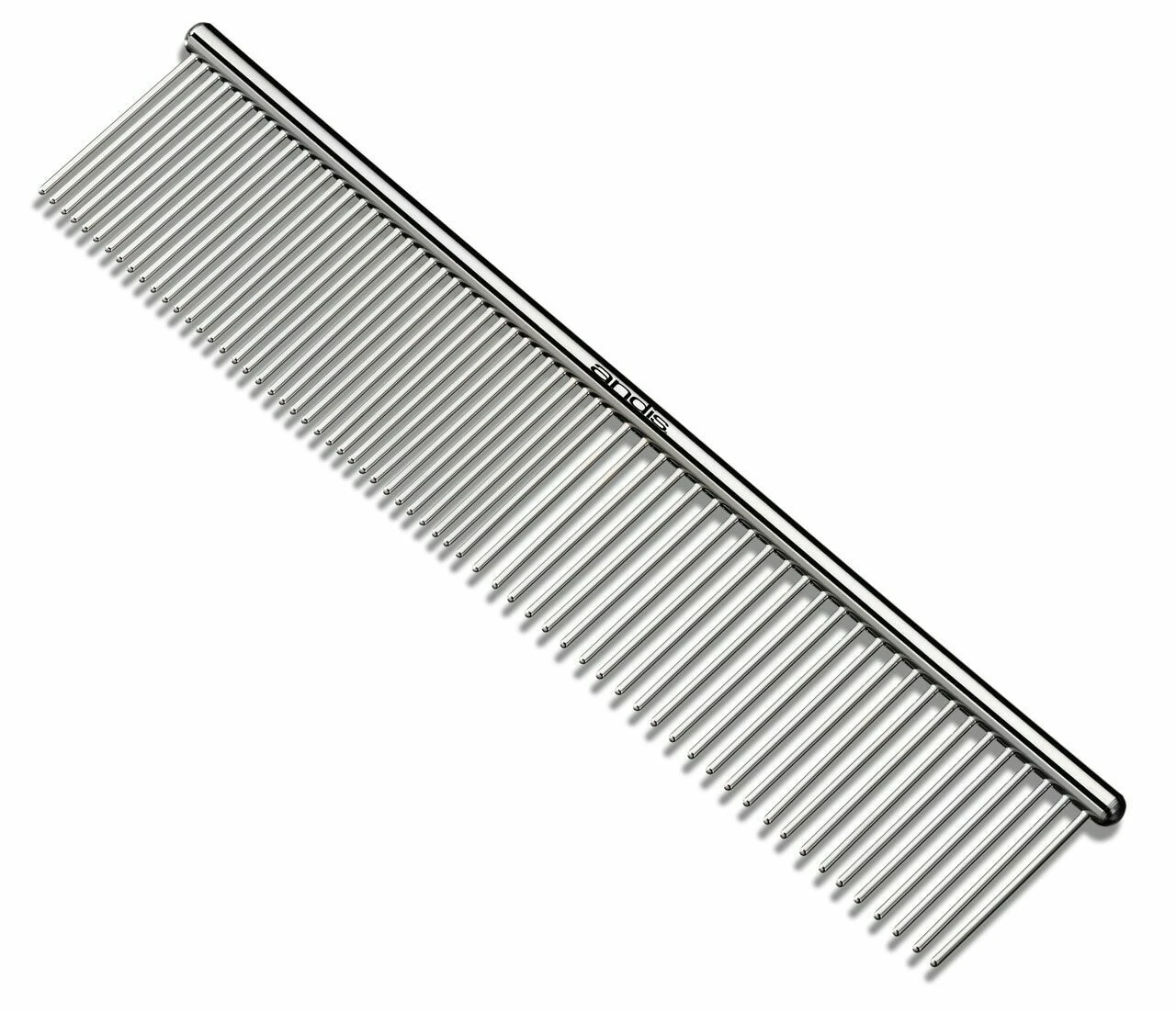
A comb is one of the most overlooked dog grooming supplies for home use. Many owners think a brush replaces it, but a comb is how you check your work.
A comb helps you:
find tangles hiding near the skin
work gently around the face, ears, tail, and feathering
confirm whether a brushed area is truly detangled
lift and separate coat before trimming small areas
For many dogs, the best routine is brush first, comb second.
A simple test
If the comb glides through the coat easily, you are in good shape. If it catches, slow down and work that section again with your brush rather than pulling hard.
If you are building a small home kit, pairing a brush with a comb is smarter than buying several brushes at once. That same practical approach is behind Pawzis’ focus on useful daily-care products and educational resources like these home pet grooming tips.
Do You Actually Need Clippers at Home?
Not every dog needs clippers at home.
That is one of the biggest misconceptions in dog grooming tools for home guides. Clippers are essential if your dog gets full haircuts, but many pet parents only need them for:
paw pad clean-up
sanitary trims
trimming around the eyes or muzzle with extra care
quick tidy-ups between professional grooms
If your dog has a coat that keeps growing, like a Poodle mix, Shih Tzu, Maltese, or Doodle, clippers can be very useful. If your dog has a short coat or a double coat that should not be clipped all over, a brush, comb, and bath routine may matter much more.
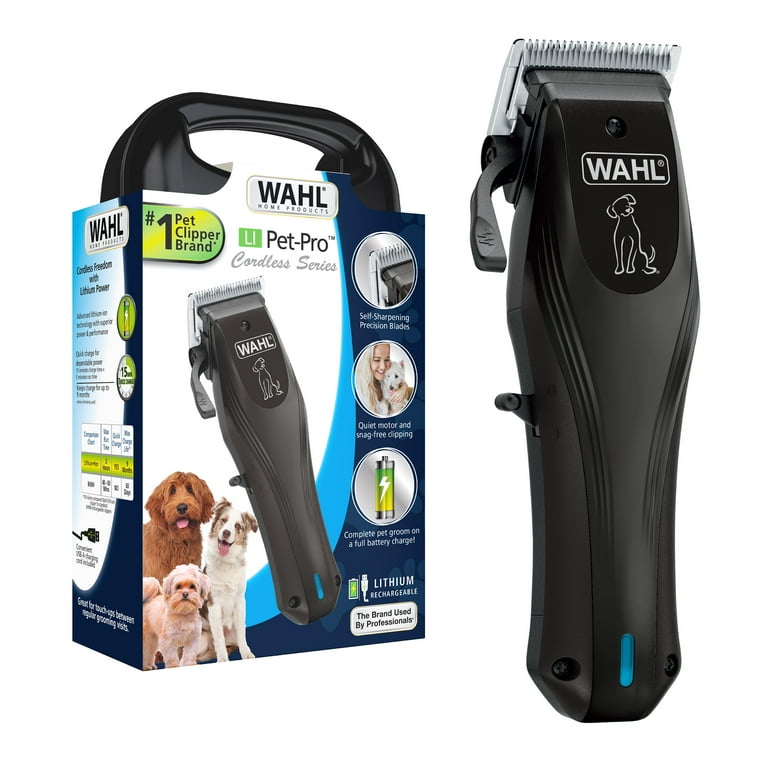
What to look for in home-use clippers
For at-home care, prioritize:
cordless convenience
low noise and low vibration
easy blade cleaning
safe guards for beginners
suitability for small touch-up areas
A full-size salon clipper can be overkill for many households. For simple maintenance, a focused tool such as the professional cordless pet hair clipper kit or a detail tool like the premium pet grooming clipper for small areas can be a more practical fit.
Nail Care: Grinder or Trimmer?
Nail care is often the part owners dread most, but it does not have to be. If your dog’s nails click on the floor, curl, snag blankets, or affect footing, it is time to deal with them.
Nail trimmer
Best for owners who want a quick, straightforward trim and feel comfortable cutting a little at a time.
Nail grinder
Best for owners who want more control, smoother edges, and gradual shortening over time.

Which is easier for beginners?
For many beginners, a grinder feels less intimidating because you remove nail slowly rather than making one cut. The tradeoff is that some dogs dislike the sound or sensation. If your dog is sensitive, short training sessions and rewards help a lot.
A beginner-friendly option like Pawzis’ effortless pet nail trimmer makes more sense than buying several nail tools you may never use.
The Most Underrated Tool: A Bath Brush
A bath brush is one of the most useful but least discussed pet grooming tools for dogs. It helps spread shampoo more evenly, lifts dirt and loose fur, and gives you better control when washing dense or water-resistant coats.
This is especially helpful if:
your dog has a thick coat
shampoo seems to sit on top of the fur
your dog sheds heavily during baths
your hands get tired trying to scrub through dense hair
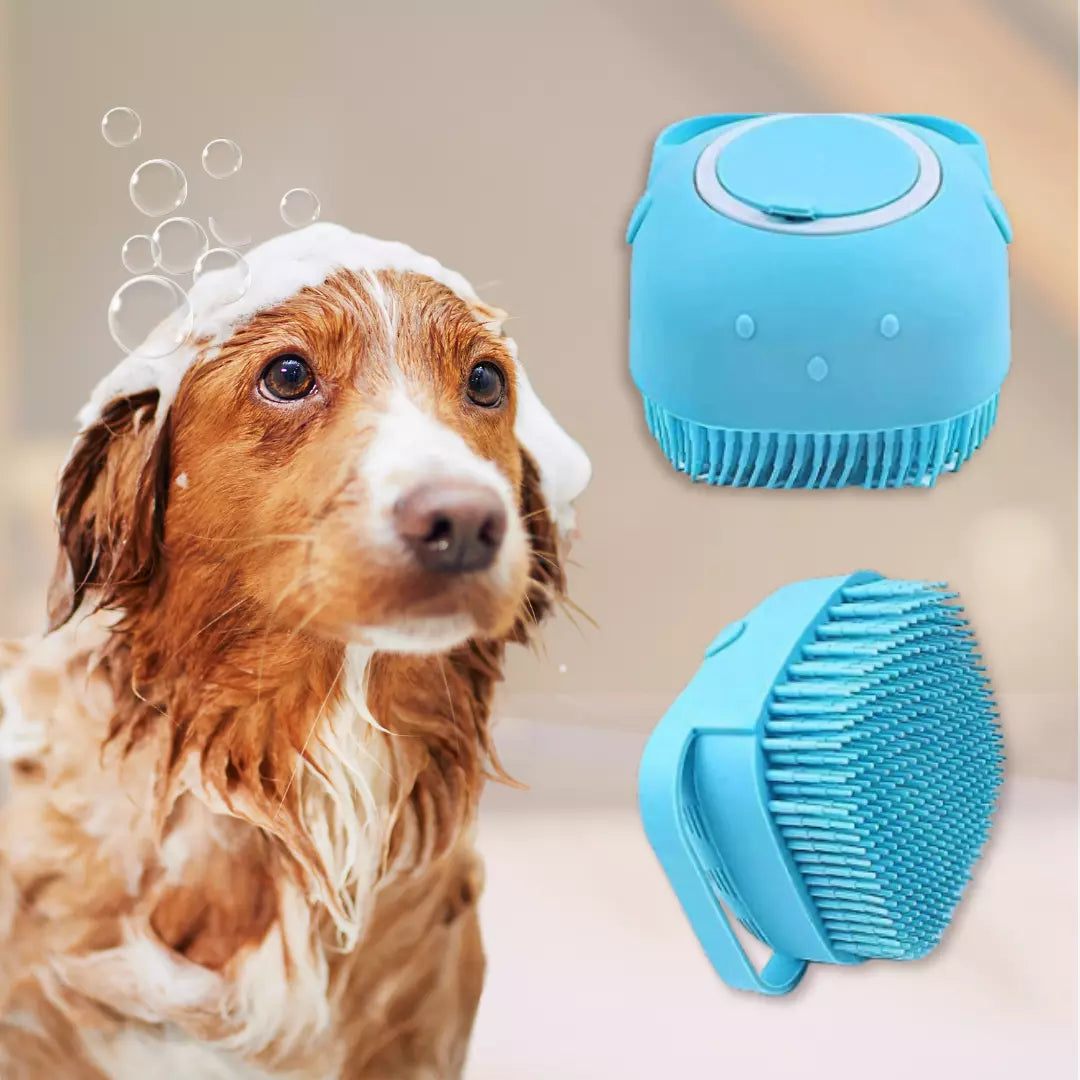
A simple silicone design is usually enough for home care. The dog bathing and massage brush is a good example of the kind of practical tool that improves bath time without adding complexity.
A Stress-Reducer That Helps More Than People Expect
Many competitor guides focus heavily on hardware and skip behavior support. But if your dog resists baths, brushing, or nails, the best tool may actually be a distraction aid.
A lick mat can help by:
keeping your dog occupied during baths
creating a more positive routine
slowing frantic licking or stress behaviors
reducing wiggling during brushing or nail care
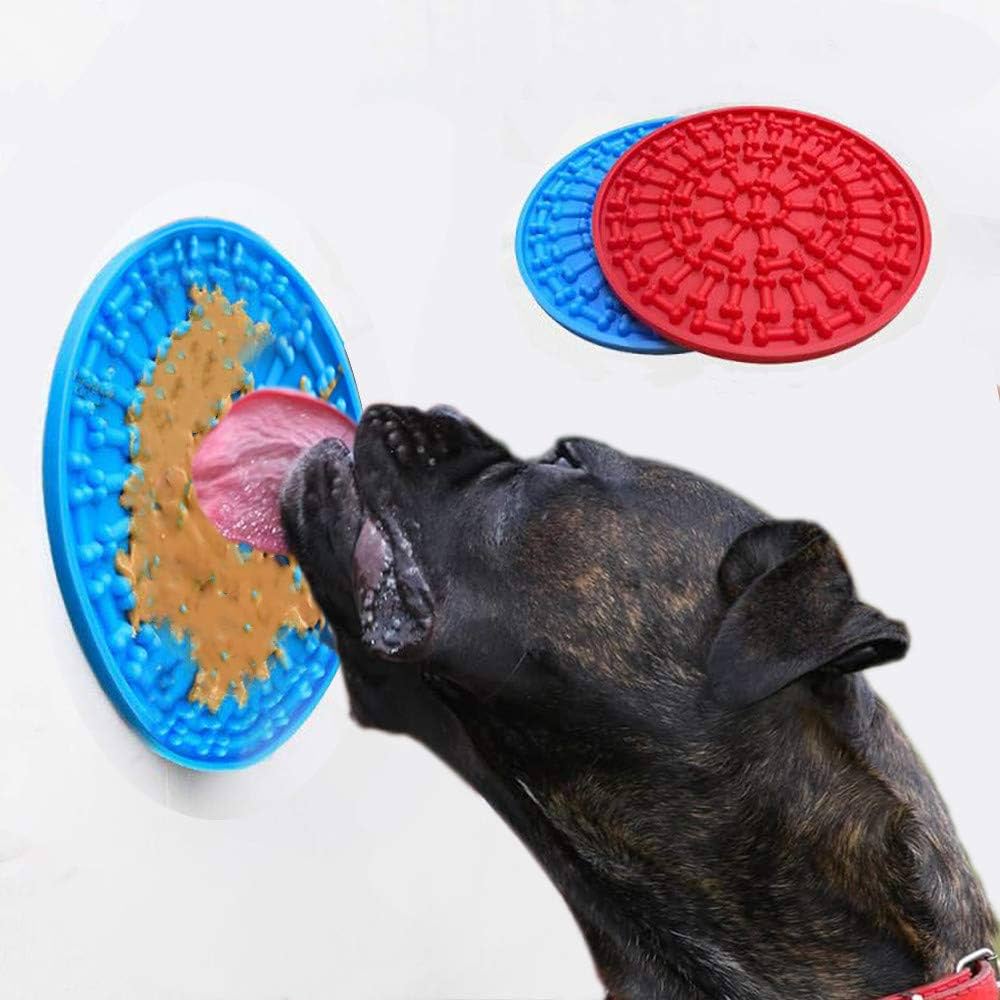
For many busy households, this kind of support tool is just as important as a brush or grinder. Pawzis carries practical options like the interactive lick mat for dogs and cats because easier routines lead to more consistent care.
How to Choose by Coat Type
This is where most buying decisions get easier.
Short, smooth coats
Examples: Beagle, Boxer, Doberman
Best tools:
soft brush or grooming mitt
comb for quick checks
nail trimmer or grinder
bath brush for bath day
Usually skip:
full clippers
heavy-duty dematting tools
Double coats
Examples: Golden Retriever, Labrador, Husky
Best tools:
slicker or undercoat brush
sturdy comb
bath brush
nail care tool
Use clippers cautiously:
do not assume full-body clipping is routine
focus instead on brushing, de-shedding, and hygiene trims only when appropriate
Curly or continuously growing coats
Examples: Poodle, Doodle, Bichon, Shih Tzu
Best tools:
slicker brush
metal comb
clippers for touch-ups or at-home trims
nail grinder or trimmer
bath brush
Long, silky coats
Examples: Yorkie, Maltese, Afghan Hound
Best tools:
slicker or pin brush
fine-to-medium comb
clipper for sanitary or foot trims if needed
nail tool
detangling routine before bathing
Choose by Task, Not Just by Tool Name
Sometimes the easiest way to shop is by problem.
If you need to… | Use this first | Then use this |
|---|---|---|
Reduce daily shedding | Brush | Comb |
Check for hidden knots | Comb | Brush again as needed |
Clean thoroughly during baths | Bath brush | Towel and drying routine |
Trim paws or sanitary areas | Small-area clippers | Comb to lift hair |
Shorten nails safely | Grinder or trimmer | Reward and repeat often |
Keep dog busy during grooming | Lick mat | Main grooming tool |
A Few Practical Rules That Competitors Often Gloss Over
Never bathe a badly matted dog first
Water can tighten mats and make them harder to remove.
Brush in short sessions
Five to ten calm minutes several times a week usually works better than one long stressful session.
Match the tool to the coat
The “best” brush online may still be wrong for your dog.
Buy fewer, better tools
A basic home setup often works best when it is simple.
Use grooming to check health
Home grooming helps you notice lumps, skin irritation, ear debris, cracked paw pads, and changes in coat quality sooner.
When to Skip DIY and Call a Groomer or Vet
At-home grooming is great for maintenance, but some situations need professional help.
Call a groomer or veterinarian if your dog has:
tight mats close to the skin
severe skin irritation
infected-looking ears
nails that are overgrown or bleeding
extreme anxiety or aggression during grooming
a coat that requires styling beyond your comfort level
Home care is not about doing everything yourself. It is about handling what is reasonable between appointments and making daily care less stressful.
Why a Curated Store Helps More Than a Giant Marketplace
One major frustration with shopping for dog grooming supplies online is too much choice. Huge marketplaces bury practical tools under pages of lookalikes, conflicting reviews, and professional-grade items most pet owners do not need.
That is why Pawzis takes a different approach:
curated products built around everyday pet care
simpler shopping across grooming, comfort, feeding, play, and walking
educational guidance that helps you buy with confidence
free standard U.S. shipping
30-day returns
human customer support during business hours
You can also explore the wider dog grooming collection if you want to build a small routine around tools that fit home use instead of pro-only setups.
The Best First Grooming Kit for Most Dog Owners
If you want the simplest starting point, build your kit in this order:
A brush matched to your dog’s coat
A metal comb
A nail grinder or trimmer
A bath brush
A lick mat for easier routines
Clippers only if your dog needs trim maintenance at home
That setup covers the needs of most families without drifting into salon-grade territory.
Final Verdict
The best dog grooming tools for home use are not the fanciest ones. They are the tools you will actually use consistently: a good brush, a reliable comb, a safe nail care option, a bath brush, and a few smart helpers that make the routine easier for both you and your dog.
If you want a calmer, simpler way to shop for essential dog grooming tools, Pawzis is built for exactly that. Instead of overwhelming you with endless options, we focus on practical daily-care products, clear guidance, and a smoother buying experience for real pet households. Explore Pawzis to find helpful grooming tools, everyday pet essentials, free standard U.S. shipping, and support from real humans when you need it.
FAQ
What tools do professional dog groomers use?
Professional groomers often use specialized clippers, blades, shears, dryers, dematting tools, slicker brushes, combs, and nail tools. At home, most pet owners do not need the full professional setup and can usually manage well with a brush, comb, nail tool, bath brush, and optional touch-up clippers.
What is the easiest way to groom a dog at home?
The easiest approach is to keep grooming short, regular, and low-stress. Start with brushing a few times a week, use a comb to check for tangles, trim or grind nails gradually, and use rewards or a lick mat to make the routine easier.
What do professional dog groomers use to make dogs smell so good?
That fresh smell usually comes from a combination of thorough bathing, proper drying, clean ears, and coat-safe grooming products. At home, a bath brush can help shampoo reach the coat more evenly so your dog gets cleaner and stays fresher longer.
What brand do professional dog groomers use?
Professional groomers use many different brands depending on the job, the coat type, and personal preference. For home grooming, it matters more to choose the right type of tool for your dog than to chase salon-only brand names.
What are the best dog grooming tools for at-home use?
The best at-home kit usually includes a coat-appropriate brush, a metal comb, a nail grinder or trimmer, and a bath brush. Clippers are helpful too, but mainly for dogs that need paw, sanitary, or coat touch-ups between appointments.
Is andis or wahl better for dog grooming?
Both are well-known grooming brands, and either can work depending on your needs. For home users, the better choice is usually the one with lower noise, beginner-friendly handling, cordless convenience, and the right size for your grooming tasks.